Research for the Medicine of the Future
Shifting the boundaries of knowledge – for tomorrow’s medicine
World-renowned biomedical research is conducted at Campus Berlin-Buch. Basic and patient-oriented research are integrated in a unique way. The goal is to apply groundbreaking discoveries to detect diseases based on early cellular changes and to prevent the body from slipping into a state of disease.
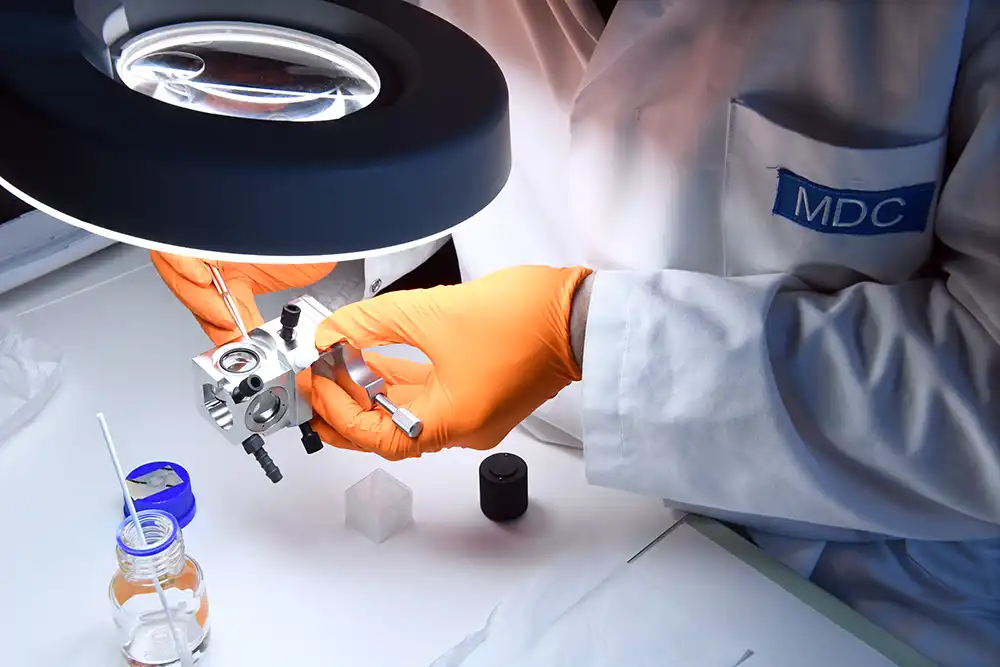
Cutting-edge biomedical research
At the Max Delbrück Center, around 1,600 employees from 65 countries are laying the groundwork for tomorrow’s medicine. Working in interdisciplinary teams, they explore the complexity of diseases at the systems level – from molecules and cells to organs and the entire organism. To this end, the researchers harness and further develop the latest technologies – from single-cell analysis, proteomics, and innovative imaging techniques to big data and artificial intelligence. They are developing innovative approaches for early detection, personalized therapies, and disease prevention.
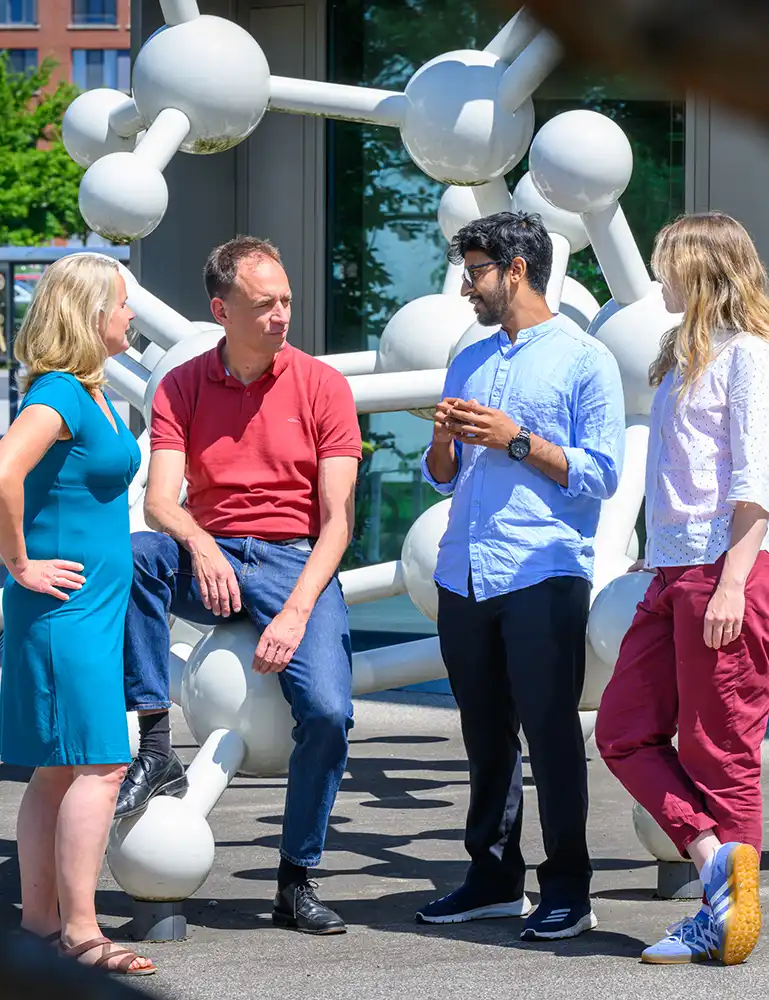

Research has an impact!
The Leibniz-Forschungsinstitut für Molekulare Pharmakologie (FMP) identifies new bioactive molecules to treat, prevent, or diagnose diseases. Researchers at the FMP are constantly breaking new ground at the intersection of biology, chemistry, pharmacology, and physics – for example, by combining biochemistry and omics approaches with cell biology and microscopic techniques. Advanced technologies, such as a 1.2 gigahertz NMR spectrometer that can elucidate the structure of biomolecules and a screening unit for substance testing, form the basis for the institute’s outstanding work.
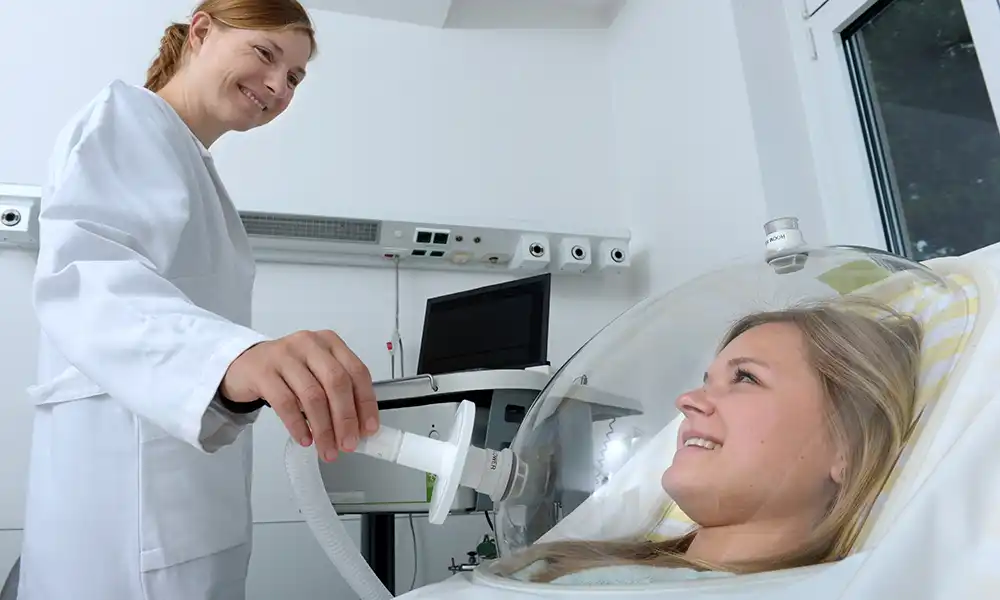
From the lab to the patient
Charité – Universitätsmedizin Berlin and the Max Delbrück Center jointly operate an Ex-perimental and Clinical Research Center (ECRC) to translate research findings into treatments quickly. The ECRC offers interdisciplinary outpatient departments, a clinical-research station, and a cleanroom facility to manufacture cellular immunotherapies.
Turning research into health
The Berlin Institute of Health at Charité (BIH) is also dedicated to translation. Closely integrated with Charité, the BIH facilitates the accelerated transfer of biomedical research findings into clinical practice and personalized therapies. Through strong partnerships, such as with the Max Delbrück Center, the BIH fosters innovation-oriented medicine in both national and international contexts – turning research into health.